Blog
By Mrs Shrishti Sirwani
Online Fraud: Legal Remedies Every Victim Should Know
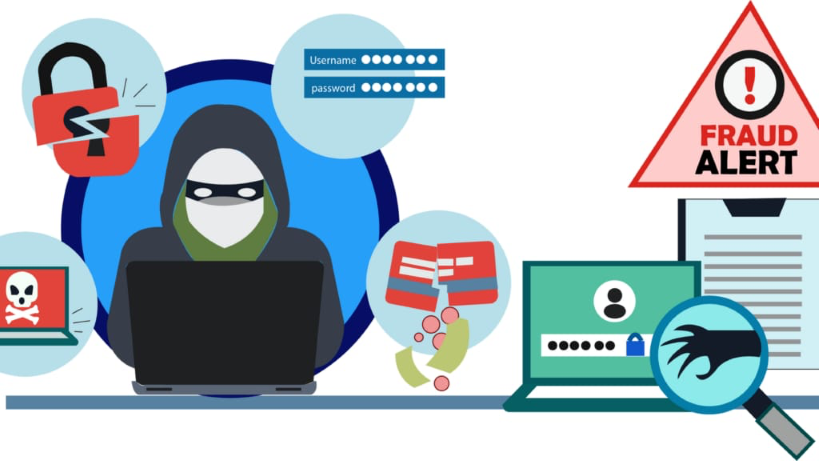
The rapid growth of digital payments, online shopping, and social media has made everyday life more convenient. However, it has also increased the risk of online fraud. Cybercriminals use phishing emails, fake websites, identity theft, investment scams, and unauthorized banking transactions to deceive individuals and businesses. If you become a victim of online fraud, taking immediate legal action can improve the chances of recovering your losses and bringing the offenders to justice. The first step is to report the incident to your bank or payment service provider to block unauthorized transactions. Next, file a complaint through the National Cyber Crime Reporting Portal or contact the cybercrime helpline. Preserve all evidence, including screenshots, transaction receipts, emails, messages, and account statements, as these may be crucial during the investigation. Depending on the nature of the fraud, offenders may face prosecution under applicable cybercrime and criminal laws. Victims may also have the right to seek compensation or other legal remedies where financial loss has occurred. Prevention remains the best defence. Always verify website authenticity, avoid sharing confidential banking credentials or OTPs, enable two-factor authentication, and regularly monitor your financial accounts for suspicious activity. Online fraud can have serious financial and emotional consequences, but the law provides effective remedies for victims. Seeking prompt legal advice and acting without delay can significantly strengthen your case and help protect your rights in the digital world.